Introduction
Shipbuilding has been a important business in the time of records, enjoying a critical position in transportation, exchange, and conflict. Over the centuries, alternative parts have been used to build ships, yet one revolutionary advancement that modified the shipbuilding enterprise became the advent of rolled steel. This article explores how rolled metallic revolutionized shipbuilding and analyzes its impression on the construction of brand new vessels.
The Evolution of Shipbuilding Materials
Traditional Materials Used in Shipbuilding
In the early days of shipbuilding, wood was once the general materials applied for building ships. Its abundance and flexibility made it a fantastic alternative for shipbuilders. However, timber ships had their boundaries - they have been at risk of rotting, required familiar protection, and have been vulnerable to damage from harsh weather stipulations.
As technologies developed and international industry extended, shipbuilders https://tonmetholding.com.ua/uk/produkciya-2/c/kalbrovaniy-kvadrat/ sought more sturdy and resilient parts to meet the creating calls for of marine transportation. This led to the exploration of option shipbuilding parts which includes iron and metal.
The Emergence of Rolled Metal
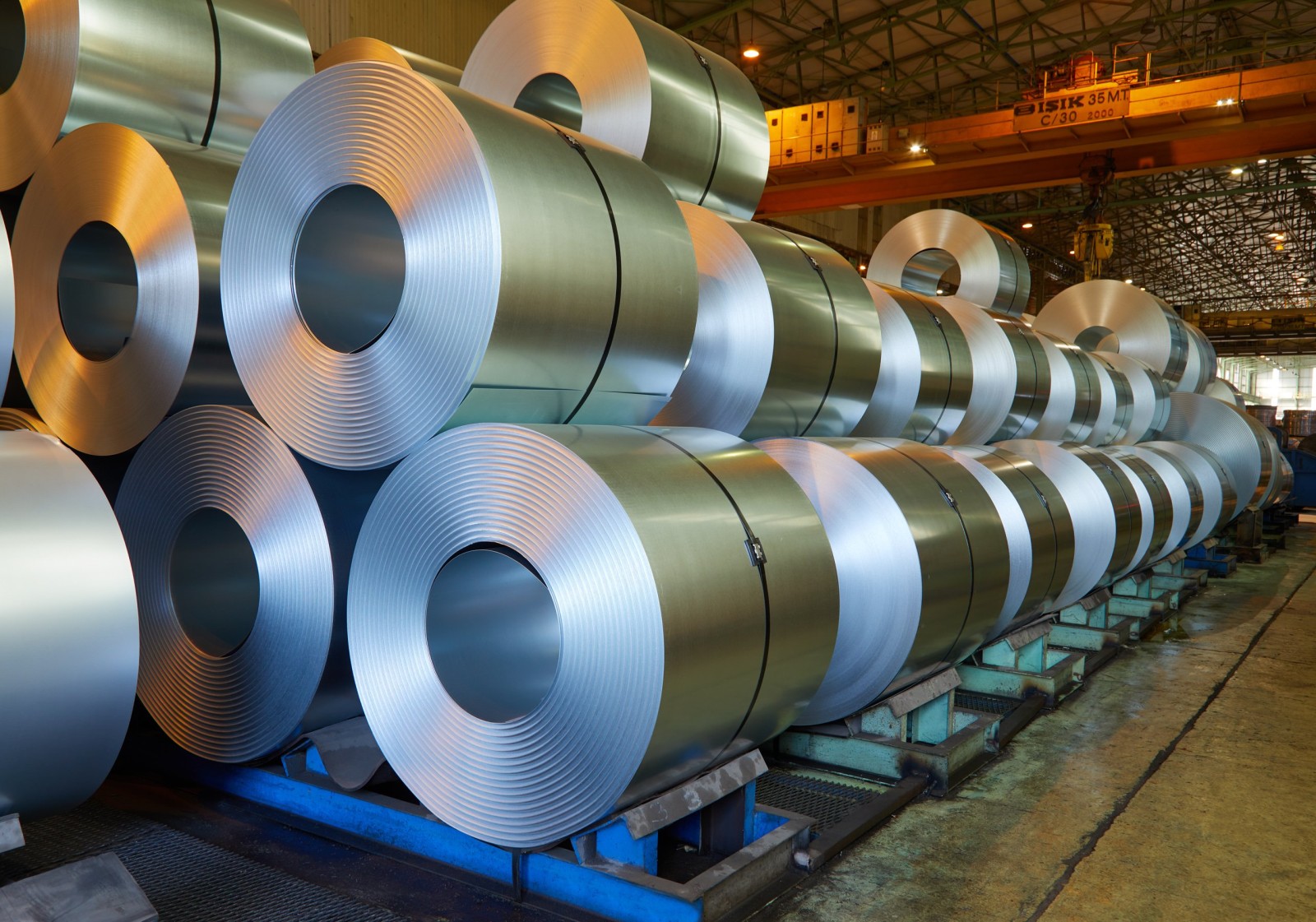
The advent of rolled steel marked a important turning element in shipbuilding historical past. Rolled metallic refers to metallic sheets or plates which have passed through a rolling approach to reach a wanted thickness and shape. This system allowed for the mass creation of standardized steel substances, revolutionizing deliver creation.
Advantages of Rolled Metal in Shipbuilding
Superior Strength and Durability
One of the secret merits of applying rolled steel in shipbuilding is its improved force and durability compared to conventional constituents like picket. Rolled metallic affords wonderful structural integrity, allowing ships to withstand harsh weather situations, difficult seas, and heavy cargo quite a bit with no compromising safety.
Increased Efficiency and Cost-Effectiveness
The use of rolled metallic in deliver construction noticeably better efficiency and payment-effectiveness. The mass production services presented through rolling generators allowed for rapid production strategies and decreased labor prices. Additionally, the standardized nature of rolled steel formulation simplified ship assembly and renovation.
Design Flexibility
Rolled steel awarded shipbuilders with more advantageous layout flexibility. Unlike wooden ships, which required complex joinery and shaping, rolled metallic allowed for the production of tricky platforms and progressive hull designs. This flexibility opened up new percentages for ship length, shape, and functionality.
The Impact of Rolled Metal on Shipbuilding Techniques
Streamlined Production Processes
The creation of rolled metallic streamlined shipbuilding techniques. Shipyards could now produce standardized steel formulation in massive quantities, reducing construction time appreciably. This efficiency amplify enabled shipbuilders to fulfill growing call for and carry vessels greater right now.
Improved Safety and Reliability
Rolled metallic played a essential role in modifying the safeguard and reliability of ships. The structural integrity of metal substances ensured that vessels could stand up to the pains of marine environments devoid of compromising passenger or workforce safety. In addition, rolled metallic's resistance to corrosion extended the lifespan of ships, chopping the hazard of catastrophic screw ups.
Enhanced Structural Integrity
The use of rolled metal in send production brought about enhanced structural integrity. Metal areas equivalent to bulkheads, frames, and decks offered better balance and tension to ships, permitting them to navigate through tough seas extra correctly. This development in structural layout larger the entire protection and seaworthiness of vessels.
FAQs About Rolled Metal in Shipbuilding
Q: What is rolled steel?
A: Rolled metallic refers to metallic sheets or plates that experience gone through a rolling technique to obtain a desired thickness and form. It is largely used in lots of industries together with shipbuilding.
Q: Why is rolled metal general over timber in shipbuilding?
A: Rolled metal gives gold standard electricity, longevity, and resistance to harsh climate stipulations as compared to wood. It additionally enables for effectual mass manufacturing and layout flexibility.
Q: How did rolled metallic revolutionize deliver building?
A: Rolled steel enabled the mass creation of standardized formulation, streamlining shipbuilding approaches and cutting back structure time. It additionally superior defense, reliability, and structural integrity of vessels.
Q: What are the financial blessings of due to rolled metal in shipbuilding?
A: Rolled metal seriously superior efficiency and can charge-effectiveness in deliver construction. The standardized nature of system decreased labor prices, even as the sturdiness of metallic parts reduced preservation fees.
Q: Has rolled metal definitely changed other shipbuilding components?
A: While rolled metallic has transform the dominant subject matter in progressive shipbuilding, different components such as composites and alloys are still used for targeted programs depending on the requirements of the vessel.
Q: How does rolled steel give a contribution to sustainable shipbuilding practices?
A: Rolled steel's resistance to corrosion and longer lifespan in contrast to standard elements contribute to sustainable shipbuilding practices with the aid of slicing waste and minimizing environmental affect.
Conclusion
The introduction of rolled metal revolutionized shipbuilding, propelling the industry into a new era of efficiency, sturdiness, and design flexibility. This inventive materials presented enhanced force, streamlined creation tactics, and better protection concepts in deliver construction. As technologies continues to strengthen, it is most likely that rolled steel will stay a basic portion in shaping the destiny of shipbuilding.